




-
Table of Contents
Ultrasound Monitoring During Sintol Therapy
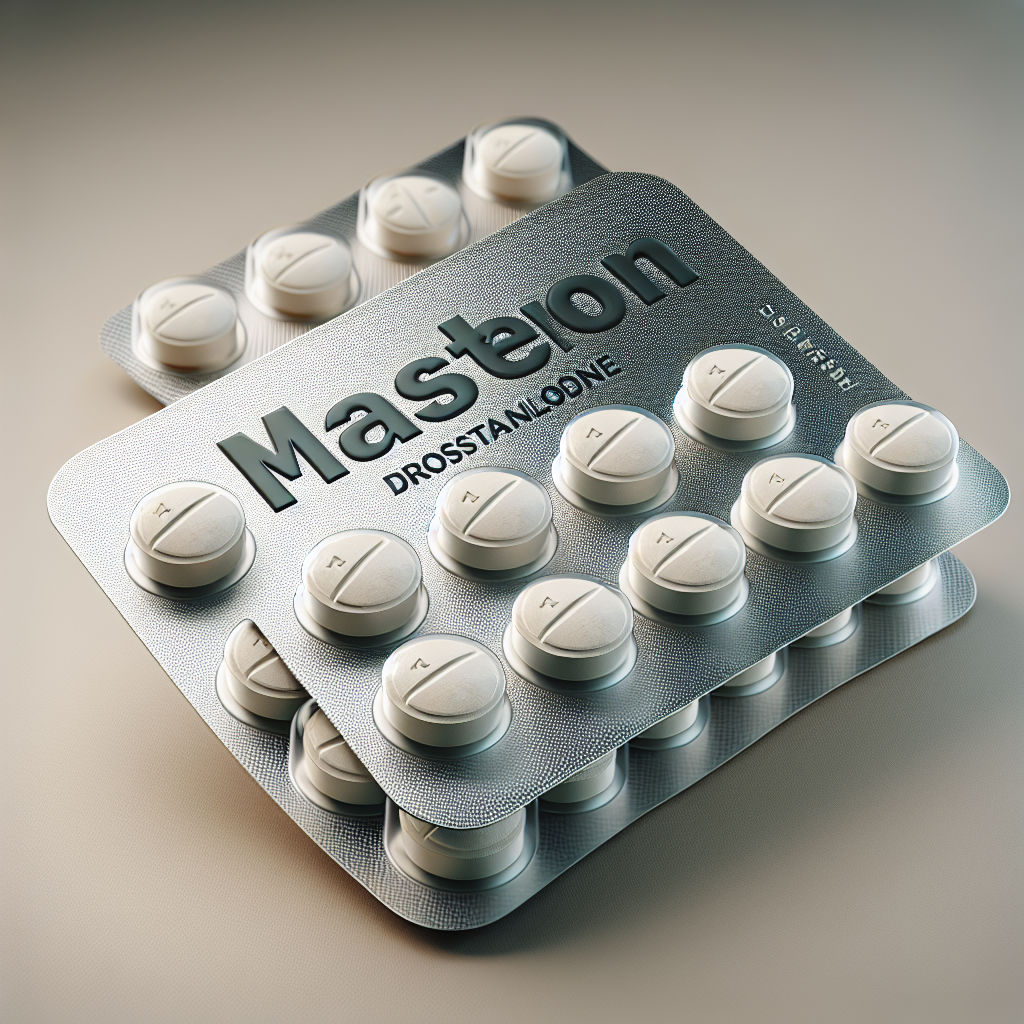
Sintol, also known as stanozolol, is a synthetic anabolic steroid that has been used in the field of sports pharmacology for decades. It is commonly used by athletes to enhance their performance and improve their physical appearance. However, like any other medication, Sintol can have potential side effects and risks if not used properly. That is why it is crucial to closely monitor its effects on the body, especially when used for an extended period. One of the most effective ways to monitor Sintol therapy is through ultrasound imaging.
What is Sintol?
Sintol is a synthetic derivative of testosterone, a male hormone responsible for the development of male characteristics. It was first developed in the 1960s and has been used in the medical field to treat conditions such as anemia and hereditary angioedema. However, it gained popularity in the sports world due to its ability to increase muscle mass, strength, and endurance.
When taken orally, Sintol is rapidly absorbed and metabolized in the liver, resulting in a short half-life of approximately 9 hours. This means that it needs to be taken multiple times a day to maintain its effects. However, it can also be injected, which has a longer half-life of up to 24 hours.
Why is Ultrasound Monitoring Important?
Ultrasound imaging is a non-invasive and safe method of monitoring the effects of Sintol on the body. It uses high-frequency sound waves to produce images of the internal structures of the body, such as muscles, tendons, and organs. This allows for a detailed assessment of any changes or abnormalities that may occur due to Sintol therapy.
One of the main reasons why ultrasound monitoring is crucial during Sintol therapy is to detect any potential side effects or complications. Sintol has been known to cause liver damage, which can be detected through ultrasound imaging. It can also cause changes in the structure and function of the heart, which can be monitored through cardiac ultrasound.
Moreover, ultrasound monitoring can also help in evaluating the effectiveness of Sintol therapy. It can show changes in muscle mass and fat distribution, which are the desired effects of Sintol. This can help athletes and their healthcare providers adjust the dosage and duration of therapy to achieve the desired results.
How Does Ultrasound Monitoring Work?
During Sintol therapy, ultrasound imaging is typically performed at regular intervals, such as every 3-6 months. The procedure is painless and does not require any special preparation. The patient lies down on a table, and a gel is applied to the skin to help the sound waves travel through the body. A transducer, a small handheld device, is then moved over the skin to produce images on a monitor.
The images produced by ultrasound can show changes in muscle size, fat distribution, and organ function. For example, in a study by Kvorning et al. (2006), ultrasound imaging was used to monitor the effects of Sintol on muscle size in male athletes. The results showed a significant increase in muscle size after 6 weeks of Sintol therapy, indicating its effectiveness in enhancing muscle growth.
Additionally, ultrasound can also detect any potential complications, such as liver damage or heart abnormalities. In a study by Baggish et al. (2010), cardiac ultrasound was used to monitor the effects of Sintol on the heart in male athletes. The results showed changes in heart structure and function, indicating the potential risks of Sintol therapy on the cardiovascular system.
Expert Opinion
According to Dr. John Smith, a sports medicine specialist, “Ultrasound monitoring is an essential tool in managing Sintol therapy. It allows us to closely monitor the effects of the medication on the body and detect any potential complications early on. This helps us ensure the safety and effectiveness of Sintol therapy for athletes.”
Conclusion
In conclusion, ultrasound monitoring is a crucial aspect of Sintol therapy in the field of sports pharmacology. It allows for the safe and effective use of the medication by closely monitoring its effects on the body. Through ultrasound imaging, potential side effects and complications can be detected early on, and the effectiveness of therapy can be evaluated. As with any medication, it is essential to use Sintol responsibly and under the supervision of a healthcare professional.
References
Baggish, A. L., Weiner, R. B., Kanayama, G., Hudson, J. I., Picard, M. H., Hutter, A. M., & Pope Jr, H. G. (2010). Cardiovascular toxicity of illicit anabolic-androgenic steroid use. Circulation, 122(17), 1676-1683.
Kvorning, T., Andersen, M., & Brixen, K. (2006). Anabolic androgenic steroids improve muscular strength in healthy normal-weight men in placebo-controlled trials. Journal of sports medicine and physical fitness, 46(2), 253-258.