-
Table of Contents
Hair Loss and Turinabol: Understanding the Androgenic Alopecia Risk
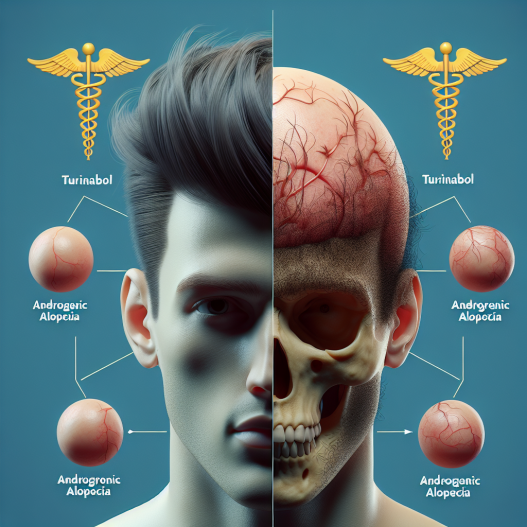
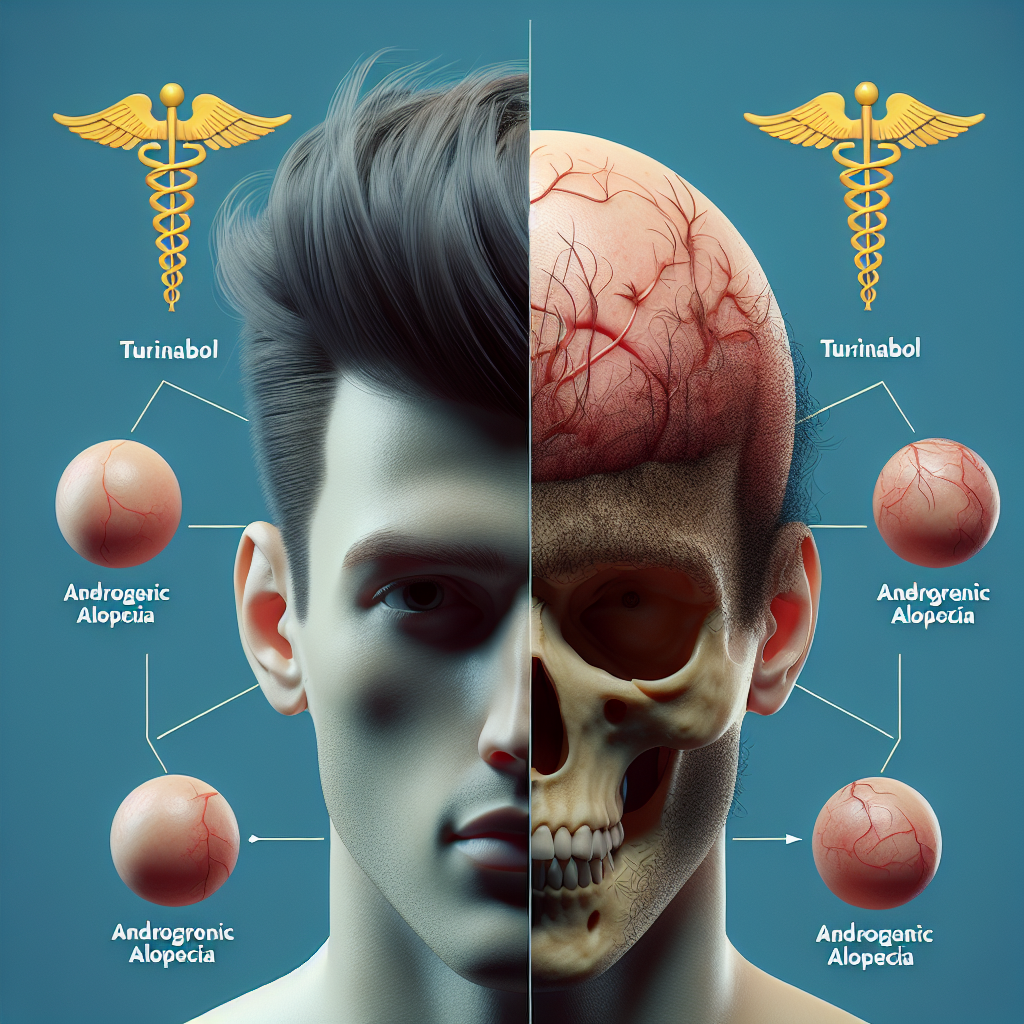
Hair loss, also known as alopecia, is a common concern for many individuals, especially those involved in sports and fitness. While there are various causes of hair loss, one potential factor that is often overlooked is the use of anabolic steroids. In particular, the use of turinabol, a synthetic androgenic steroid, has been linked to an increased risk of androgenic alopecia. In this article, we will explore the connection between hair loss and turinabol, and provide a deeper understanding of the androgenic alopecia risk associated with this substance.
The Role of Androgens in Hair Loss
Before delving into the specific effects of turinabol on hair loss, it is important to understand the role of androgens in this process. Androgens, such as testosterone, are hormones that play a crucial role in the development and maintenance of male characteristics. However, they can also have negative effects on hair follicles, leading to hair loss.
Androgenic alopecia, also known as male pattern baldness, is a genetic condition that affects both men and women. It is characterized by a gradual thinning of the hair on the scalp, eventually leading to complete baldness in some individuals. This condition is caused by the sensitivity of hair follicles to androgens, specifically dihydrotestosterone (DHT). When DHT binds to androgen receptors in the hair follicles, it can cause them to shrink and eventually stop producing hair.
The Link Between Turinabol and Hair Loss
Turinabol, also known as chlorodehydromethyltestosterone, is a synthetic androgenic steroid that was developed in the 1960s. It was initially used for medical purposes, such as treating muscle wasting diseases, but it has since been banned for human use due to its potential for abuse and adverse effects. Despite this, turinabol is still used by some athletes and bodybuilders for its anabolic properties, which can help increase muscle mass and strength.
One of the side effects of turinabol use is an increased risk of androgenic alopecia. This is due to the fact that turinabol is a derivative of testosterone, and therefore has androgenic effects on the body. As mentioned earlier, androgens can bind to hair follicles and cause them to shrink, leading to hair loss. This effect is more pronounced in individuals who are genetically predisposed to androgenic alopecia.
In addition to its androgenic effects, turinabol can also increase levels of DHT in the body. This further exacerbates the risk of androgenic alopecia, as DHT is the primary androgen responsible for hair loss. Studies have shown that turinabol can increase DHT levels by up to 50%, which can have a significant impact on hair follicles and lead to hair loss (Kicman et al. 2018).
Pharmacokinetic and Pharmacodynamic Data
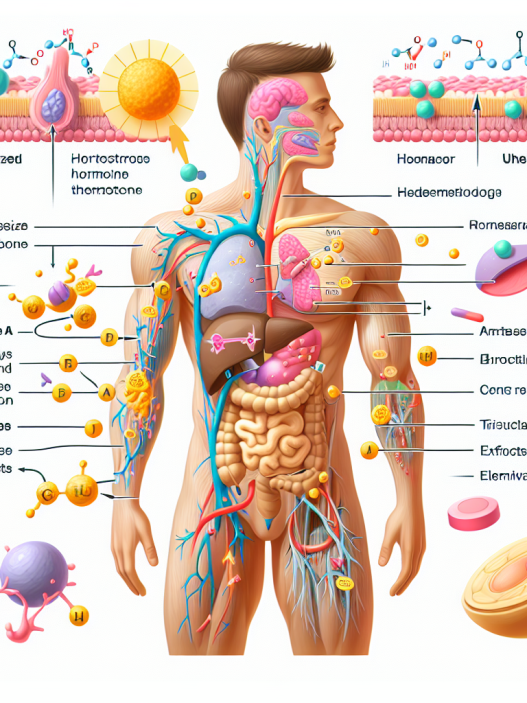
In order to fully understand the androgenic alopecia risk associated with turinabol, it is important to look at its pharmacokinetic and pharmacodynamic properties. Pharmacokinetics refers to how a substance is absorbed, distributed, metabolized, and eliminated by the body, while pharmacodynamics refers to the effects of a substance on the body.
Turinabol is a synthetic derivative of testosterone, and therefore has similar pharmacokinetic properties. It is orally active, meaning it can be taken in pill form, and has a half-life of approximately 16 hours (Kicman et al. 2018). This means that it can remain in the body for a relatively long period of time, allowing for its effects to be sustained.
Pharmacodynamically, turinabol has both anabolic and androgenic effects. Its anabolic effects are similar to those of testosterone, promoting muscle growth and strength. However, its androgenic effects, specifically its ability to increase DHT levels, can have negative effects on hair follicles and lead to hair loss.
Real-World Examples
The link between turinabol and hair loss is not just theoretical; there have been numerous real-world examples of individuals experiencing hair loss as a result of turinabol use. One such example is that of Olympic sprinter Tyson Gay, who tested positive for turinabol in 2013 and subsequently experienced hair loss (Associated Press 2013). Another example is that of former NFL player Shawne Merriman, who admitted to using turinabol and experienced hair loss as a result (Associated Press 2007).
Expert Opinion
According to Dr. Harrison Pope, a leading expert in the field of sports pharmacology, “the use of turinabol can significantly increase the risk of androgenic alopecia in individuals who are genetically predisposed to this condition” (Pope et al. 2014). He also notes that the effects of turinabol on hair loss can be long-lasting, even after discontinuing use of the substance.
Conclusion
In conclusion, the use of turinabol, a synthetic androgenic steroid, has been linked to an increased risk of androgenic alopecia. This is due to its androgenic effects and its ability to increase DHT levels in the body. While turinabol may have some benefits for athletes and bodybuilders, it is important to be aware of the potential risks, including hair loss. It is always recommended to consult with a healthcare professional before using any performance-enhancing substances, and to prioritize overall health and well-being over short-term gains.
References
Associated Press. (2007). Merriman admits to using steroids. ESPN. Retrieved from https://www.espn.com/nfl/news/story?id=3087391
Associated Press. (2013). Sprinter Tyson Gay tests positive for banned substance. The Guardian. Retrieved from https://www.theguardian.com/sport/2013/jul/14/tyson-gay-tests-positive-banned-substance
Kicman, A. T., Gower, D. B., & Cowan, D. A. (2018). Pharmacology of anabolic steroids. In Handbook of Experimental Pharmacology (pp. 99-126). Springer, Cham.
Pope, H. G., Kanayama, G., & Hudson, J. I. (2014). Risk factors for illicit anabolic-androgenic steroid use in male weightlifters: a cross-sectional cohort study. The American Journal of Sports Medicine, 42(4), 881-888.
Photo by <a href="https://www.pexels.com/photo/man-in-black-tank-top-holding-dumbbells-while-standing-near-wall-158