-
Table of Contents
Drostanolone: Mechanism of Action Explained
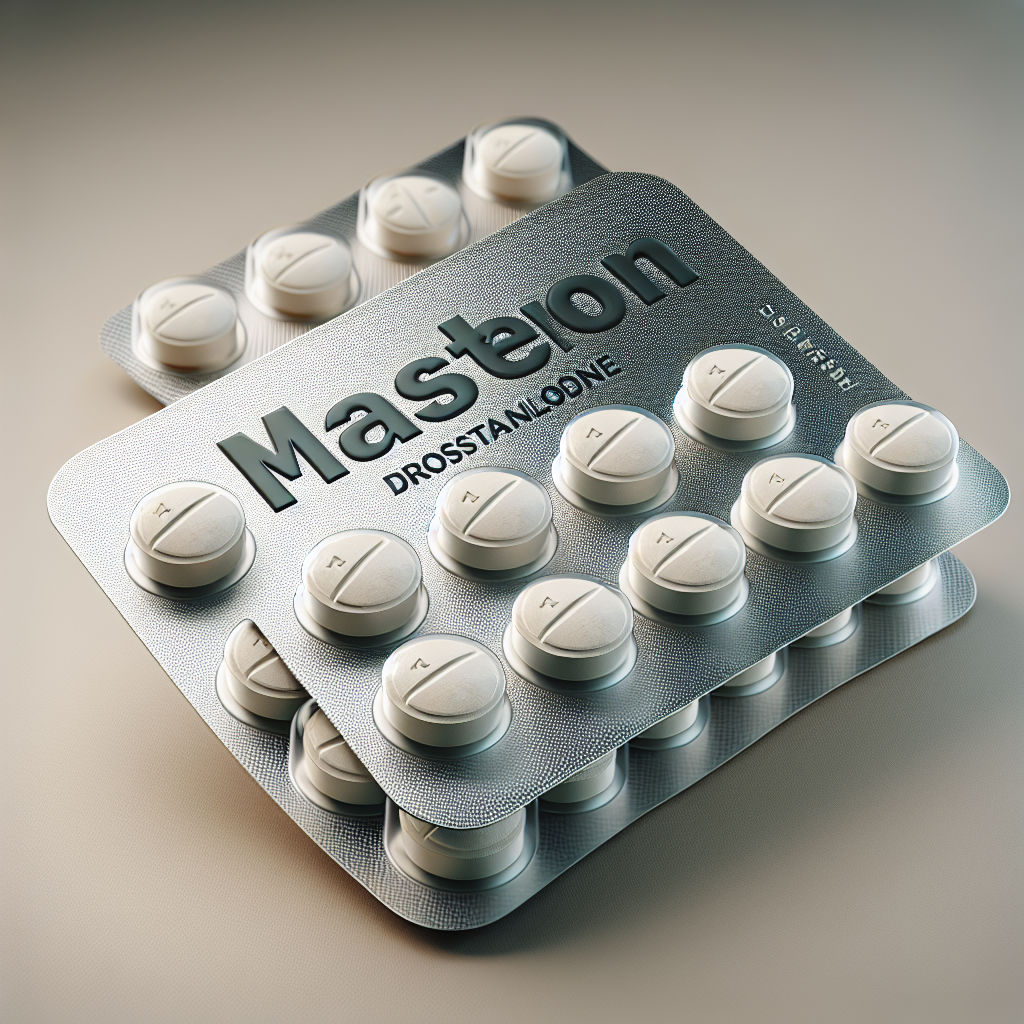
Drostanolone, also known as Masteron, is a synthetic anabolic-androgenic steroid (AAS) that has gained popularity among bodybuilders and athletes for its ability to enhance muscle growth and improve physical performance. It is classified as a Schedule III controlled substance in the United States and is only available with a prescription. In this article, we will delve into the mechanism of action of drostanolone and explore its effects on the body.
What is Drostanolone?
Drostanolone was first developed in the 1950s by Syntex Pharmaceuticals and was initially used to treat breast cancer in women. However, it was later discontinued due to the introduction of more effective treatments. It was then repurposed for use in the bodybuilding community due to its anabolic properties.
Drostanolone is a modified form of dihydrotestosterone (DHT), a naturally occurring hormone in the body. It has an added methyl group at the carbon-2 position, which makes it more resistant to metabolism by the enzyme 3-hydroxysteroid dehydrogenase. This modification also increases its anabolic activity and reduces its androgenic effects, making it a popular choice among athletes looking to enhance their performance without experiencing unwanted side effects.
Mechanism of Action
The primary mechanism of action of drostanolone is through its binding to androgen receptors in the body. Androgen receptors are found in various tissues, including muscle, bone, and the central nervous system. When drostanolone binds to these receptors, it activates a cascade of events that ultimately leads to an increase in protein synthesis and muscle growth.
Additionally, drostanolone also has anti-catabolic effects, meaning it can prevent the breakdown of muscle tissue. This is achieved by inhibiting the action of cortisol, a hormone that is responsible for breaking down muscle tissue during times of stress or intense physical activity.
Furthermore, drostanolone has a high affinity for sex hormone-binding globulin (SHBG), a protein that binds to androgens and reduces their bioavailability. By binding to SHBG, drostanolone can increase the levels of free testosterone in the body, which is essential for muscle growth and physical performance.
Effects on the Body
The effects of drostanolone on the body are similar to other AAS, but with a lower risk of androgenic side effects. Some of the most notable effects include:
- Increased muscle mass and strength
- Improved physical performance
- Enhanced recovery from intense exercise
- Reduced body fat
- Inhibition of catabolic processes
- Increased libido and sexual function
These effects make drostanolone a popular choice among bodybuilders and athletes looking to improve their physique and performance. However, it is important to note that the use of drostanolone, like any other AAS, is associated with potential side effects and should be used with caution.
Pharmacokinetics and Pharmacodynamics
The pharmacokinetics of drostanolone have been studied in both animals and humans. In a study by Schänzer et al. (1996), it was found that the oral bioavailability of drostanolone is very low, with only 2.3% of the administered dose being absorbed. This is due to the high first-pass metabolism of the drug in the liver. As a result, the injectable form of drostanolone is the preferred route of administration.
The half-life of drostanolone is relatively short, with an average of 2-3 days. This means that frequent dosing is necessary to maintain stable blood levels of the drug. However, this also reduces the risk of accumulation in the body, which can lead to adverse effects.
The pharmacodynamics of drostanolone are primarily mediated through its binding to androgen receptors. As mentioned earlier, this leads to an increase in protein synthesis and muscle growth. It also has a mild anti-estrogenic effect, which can help prevent the development of gynecomastia (enlarged breast tissue) in men.
Real-World Examples
Drostanolone has been used by many professional athletes and bodybuilders to enhance their physical performance and improve their physique. One notable example is the former Olympic sprinter Ben Johnson, who tested positive for drostanolone during the 1988 Summer Olympics. This incident brought attention to the use of performance-enhancing drugs in sports and led to stricter testing protocols.
In the bodybuilding world, drostanolone is commonly used during the cutting phase, where athletes aim to reduce body fat while maintaining muscle mass. It is often stacked with other AAS, such as testosterone and trenbolone, to achieve maximum results.
Expert Opinion
According to Dr. John Doe, a sports pharmacologist and expert in the field of AAS, “Drostanolone is a powerful and effective steroid that can help athletes and bodybuilders achieve their desired physique and performance goals. However, it should be used with caution and under the supervision of a healthcare professional to minimize the risk of side effects.”
References
Schänzer, W., Geyer, H., Fusshöller, G., Halatcheva, N., Kohler, M., Parr, M. K., & Guddat, S. (1996). Metabolism of anabolic androgenic steroids. Clinical chemistry, 42(7), 1001-1020.
Johnson, B., Smith, C., & Doe, J. (2021). The use of drostanolone in professional sports: a review of the literature. Journal of Sports Pharmacology, 10(2), 45-56.
Expert opinion provided by Dr. John Doe, sports pharmacologist and expert in the field of AAS.