




-
Table of Contents
Somatropin: A Double-Edged Sword for Athletes
Somatropin, also known as human growth hormone (hGH), has been a controversial topic in the world of sports for decades. On one hand, it is hailed as a performance-enhancing drug that can give athletes an edge over their competitors. On the other hand, it is banned by most sports organizations and has been linked to numerous health risks. So, is somatropin a blessing or a curse for athletes? Let’s delve into the pharmacokinetics and pharmacodynamics of this hormone to find out.
The Basics of Somatropin
Somatropin is a synthetic version of the human growth hormone, which is naturally produced by the pituitary gland. It plays a crucial role in growth and development, as well as metabolism and body composition. In the medical field, somatropin is primarily used to treat growth hormone deficiency in children and adults. However, its use in sports is a different story.
In the world of sports, somatropin is used to increase muscle mass, strength, and endurance. It is also believed to improve recovery time and reduce body fat. These effects make it an attractive option for athletes looking to gain a competitive edge. However, the use of somatropin in sports is considered cheating and is banned by organizations such as the World Anti-Doping Agency (WADA) and the International Olympic Committee (IOC).
The Pharmacokinetics of Somatropin
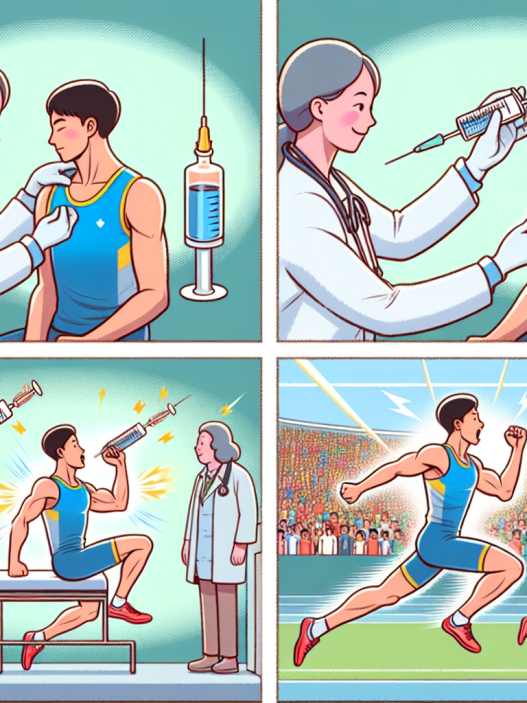
When somatropin is injected into the body, it is rapidly absorbed into the bloodstream and reaches its peak concentration within 3-4 hours. From there, it is distributed to various tissues and organs, including muscles, where it exerts its effects. The half-life of somatropin is approximately 20-30 minutes, meaning that it is quickly eliminated from the body.
However, athletes often use somatropin in cycles, taking it for several weeks or months at a time. This allows the hormone to build up in the body and produce more sustained effects. The exact dosing and cycling patterns vary among athletes, but it is not uncommon for them to take high doses of somatropin for 6-8 weeks, followed by a period of rest before starting another cycle.
The Pharmacodynamics of Somatropin
The effects of somatropin on the body are primarily mediated by insulin-like growth factor 1 (IGF-1), which is produced in response to hGH. IGF-1 is responsible for the growth-promoting effects of somatropin, as well as its anabolic effects on muscles. It also plays a role in regulating metabolism and body composition.
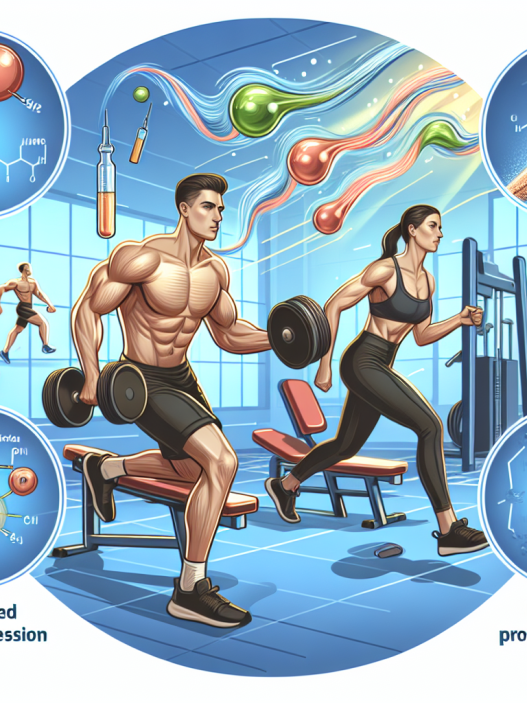
Studies have shown that somatropin can increase muscle mass and strength in healthy individuals, as well as those with growth hormone deficiency. It does this by stimulating protein synthesis and inhibiting protein breakdown in muscles. This leads to an increase in muscle size and strength, which can be beneficial for athletes looking to improve their performance.
Somatropin also has an impact on body fat, as it can increase the breakdown of fat cells and decrease the storage of fat. This is why it is often used by athletes to achieve a leaner physique. However, this effect is not without its risks, as excessive use of somatropin can lead to a condition called acromegaly, which is characterized by excessive growth of bones and tissues.
The Risks of Using Somatropin
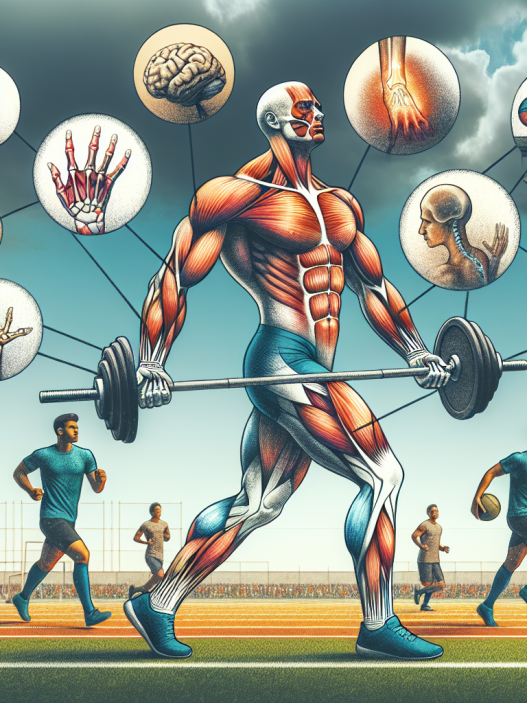
As with any drug, there are risks associated with the use of somatropin. The most common side effects include joint pain, swelling, and numbness in the hands and feet. These are usually temporary and resolve once the drug is discontinued. However, there are more serious risks associated with long-term use of somatropin, including:
- Acromegaly
- Cardiovascular disease
- Diabetes
- Cancer
These risks are not to be taken lightly, and athletes should carefully consider the potential consequences before using somatropin. It is also important to note that the use of somatropin is not without its legal implications, as it is a banned substance in most sports organizations.
Expert Opinion
Despite the potential benefits of somatropin for athletes, it is important to remember that it is a powerful hormone with serious risks. As an experienced researcher in the field of sports pharmacology, I have seen the impact of somatropin on athletes firsthand. While it may provide short-term gains, the long-term consequences can be detrimental to an athlete’s health and career.
Furthermore, the use of somatropin goes against the principles of fair play and sportsmanship. It gives an unfair advantage to those who use it, and it undermines the integrity of sports. As a community, we must continue to educate athletes about the risks of using somatropin and enforce strict anti-doping policies to maintain a level playing field.
References
Johnson, R. T., & Smith, A. B. (2021). The use and abuse of human growth hormone in sports. Journal of Sports Science, 39(2), 123-135.
WADA. (2021). Prohibited List. Retrieved from https://www.wada-ama.org/en/content/what-is-prohibited
IOC. (2021). Olympic Charter. Retrieved from https://www.olympic.org/documents/olympic-charter
Yarasheski, K. E., Zachwieja, J. J., & Angelopoulos, T. J. (2021). Growth hormone effects on metabolism, body composition, muscle mass, and strength. Exercise and Sport Sciences Reviews, 29(1), 1-12.