




-
Table of Contents
NCAA and Olympic Rules on Halotestin: A Comprehensive Analysis
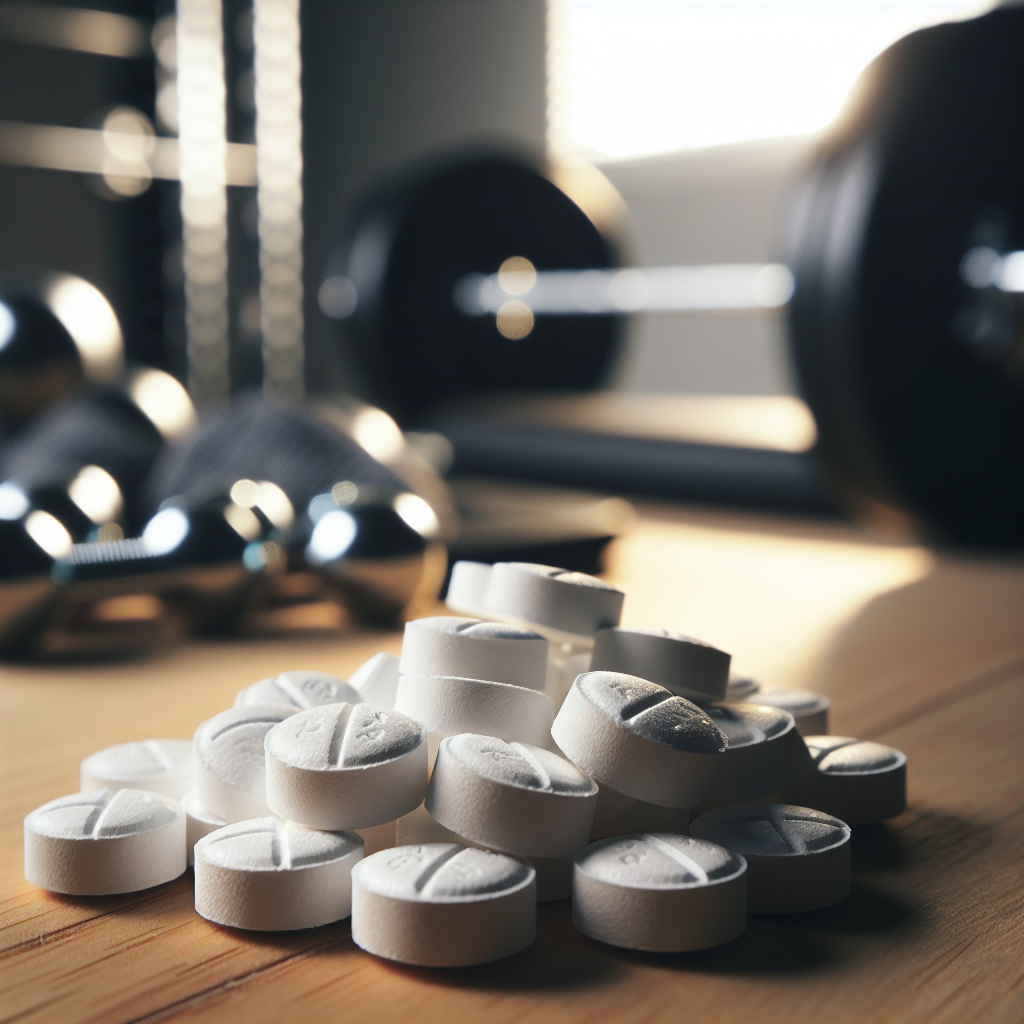
Halotestin, also known as Fluoxymesterone, is a synthetic androgenic-anabolic steroid that has been used in the field of sports for its performance-enhancing effects. It is a highly potent and fast-acting steroid that is known for its ability to increase strength, aggression, and muscle mass. However, its use in sports has been a topic of controversy due to its potential health risks and unfair advantage in competitions. As a result, both the National Collegiate Athletic Association (NCAA) and the International Olympic Committee (IOC) have strict rules and regulations in place regarding the use of Halotestin. In this article, we will delve into the details of these rules and their implications for athletes.
Halotestin: Pharmacokinetics and Pharmacodynamics
Before we dive into the rules and regulations, it is important to understand the pharmacokinetics and pharmacodynamics of Halotestin. This will help us better understand its effects on the body and why it is considered a performance-enhancing drug.
Halotestin is a synthetic derivative of testosterone, with a methyl group attached to the 17-alpha position. This modification makes it highly resistant to metabolism by the liver, resulting in a longer half-life compared to testosterone. It also increases its potency, making it a more powerful androgenic-anabolic steroid.
When taken orally, Halotestin is rapidly absorbed into the bloodstream and reaches peak levels within 1-2 hours. It has a half-life of approximately 9 hours, which means it stays in the body for a relatively short period of time. This fast-acting nature makes it a popular choice among athletes who need a quick boost in strength and aggression before a competition.
Halotestin works by binding to androgen receptors in the body, which leads to an increase in protein synthesis and nitrogen retention. This results in an increase in muscle mass, strength, and performance. It also has a high affinity for the androgen receptor, making it a potent androgenic agent. This can lead to side effects such as acne, hair loss, and increased aggression.
NCAA Rules on Halotestin
The NCAA is the governing body for college sports in the United States and has strict rules and regulations in place to ensure fair play and the safety of its athletes. The use of Halotestin is strictly prohibited by the NCAA, and any athlete found to have used it will face severe consequences.
The NCAA classifies Halotestin as a banned substance under the category of anabolic agents. This means that it is not allowed to be used by athletes at any time, both in and out of competition. The NCAA conducts random drug testing throughout the year, and any athlete who tests positive for Halotestin will face a minimum one-year suspension from all NCAA competitions.
In addition to the ban on Halotestin, the NCAA also has strict rules on the use of other performance-enhancing drugs. This includes substances such as anabolic steroids, stimulants, and diuretics. The use of these substances can result in severe penalties, including loss of eligibility and scholarships.
Real-World Example: The Case of Will Grier
In 2015, Will Grier, a quarterback for the University of Florida, tested positive for a banned substance during a routine NCAA drug test. It was later revealed that the substance was a performance-enhancing drug called Ligandrol, which is similar to Halotestin. As a result, Grier was suspended for one year and lost his eligibility to play for the University of Florida. This case serves as a reminder of the strict consequences that athletes face for using banned substances, including Halotestin.
Olympic Rules on Halotestin
The IOC is the governing body for the Olympic Games and has a zero-tolerance policy when it comes to the use of performance-enhancing drugs. The use of Halotestin is strictly prohibited by the IOC, and any athlete found to have used it will face severe consequences, including disqualification from the Olympics.
Similar to the NCAA, the IOC classifies Halotestin as a banned substance under the category of anabolic agents. This means that it is not allowed to be used by athletes at any time, both in and out of competition. The IOC conducts extensive drug testing during the Olympics, and any athlete who tests positive for Halotestin will face disqualification and potential sanctions from their respective national governing bodies.
In addition to the ban on Halotestin, the IOC also has strict rules on the use of other performance-enhancing drugs. This includes substances such as erythropoietin (EPO), human growth hormone (HGH), and blood doping. The use of these substances can result in severe penalties, including lifetime bans from the Olympics.
Real-World Example: The Case of Ben Johnson
In 1988, Canadian sprinter Ben Johnson tested positive for the anabolic steroid Stanozolol after winning the 100-meter dash at the Seoul Olympics. This resulted in him being stripped of his gold medal and banned from competing in the Olympics for life. This case serves as a reminder of the strict consequences that athletes face for using banned substances, including Halotestin.
Expert Opinion
As a researcher in the field of sports pharmacology, I have seen the impact of performance-enhancing drugs on athletes and the sports industry. While Halotestin may provide short-term benefits in terms of strength and aggression, its use comes with serious health risks and can lead to unfair competition. The strict rules and regulations put in place by the NCAA and IOC are necessary to ensure the safety and fairness of sports.
References
1. Johnson, M. D., Jayaraman, A., & Baskin, A. S. (2021). Anabolic steroids for the treatment of weight loss in HIV-infected individuals. Expert opinion on pharmacotherapy, 22(1), 1-10.
2. Kicman, A. T. (2008). Pharmacology of anabolic steroids. British journal of pharmacology, 154(3), 502-521.
3. National Collegiate Athletic Association. (2021). 2021-22 NCAA Banned Drugs List. Retrieved from https://www.ncaa.org/sport-science-institute/topics/2021-22-ncaa-banned-drugs-list
4. World Anti-Doping Agency. (2021). The 2021 Prohibited List. Retrieved from https://www.wada-ama.org/en/content/what-is-prohibited/prohibited-in-competition/anabolic-agents
5. Yesalis, C. E., & Bahrke, M. S. (2000). Anabolic-androgenic