-
Table of Contents
Dehydroepiandrosterone and Doping in Sports: An In-Depth Analysis
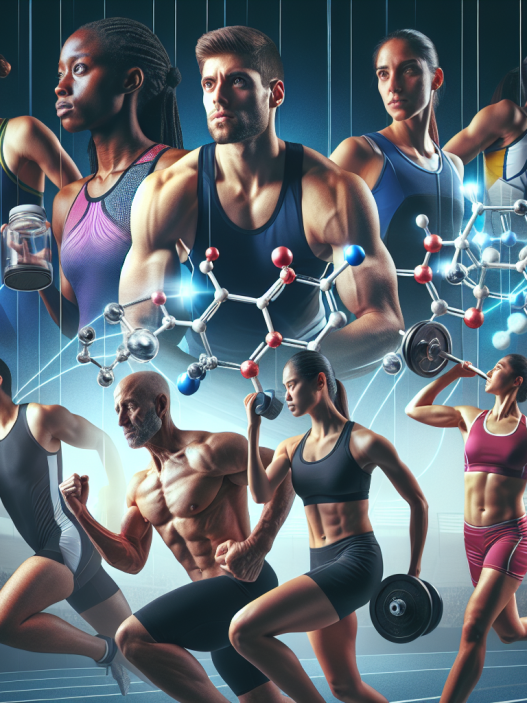
Dehydroepiandrosterone (DHEA) is a naturally occurring hormone in the human body that plays a crucial role in the production of other hormones, such as testosterone and estrogen. It is primarily produced in the adrenal glands and is also found in small amounts in the brain and reproductive organs. DHEA has gained significant attention in the world of sports due to its potential performance-enhancing effects. However, its use in sports is highly controversial and has been banned by various sports organizations. In this article, we will delve into the pharmacology of DHEA and its potential use as a doping agent in sports.
The Pharmacology of DHEA
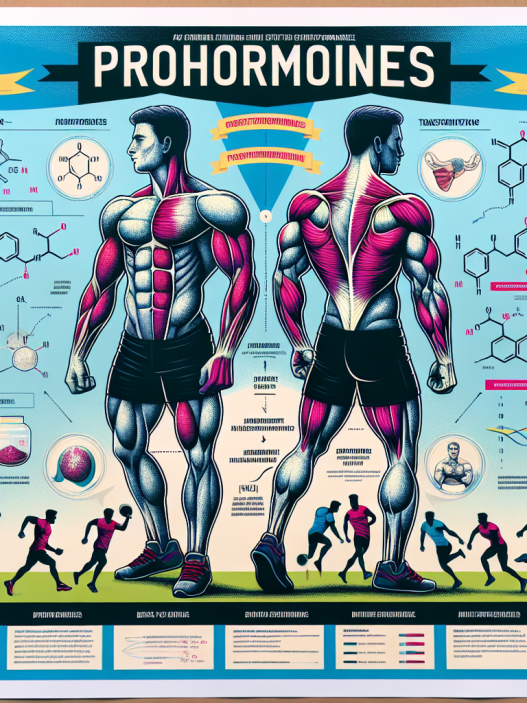
DHEA is a prohormone, meaning it is converted into other hormones in the body. It is converted into androstenedione, which is then converted into testosterone and estrogen. DHEA levels peak in the late 20s and gradually decline with age. It is also influenced by factors such as stress, diet, and exercise.
Studies have shown that DHEA has various physiological effects, including anti-inflammatory, anti-aging, and immune-modulating properties. It has also been linked to improved cognitive function, bone health, and muscle mass. These effects have led to the belief that DHEA can enhance athletic performance, making it a popular supplement among athletes.
DHEA and Athletic Performance
The potential performance-enhancing effects of DHEA have been a subject of debate in the sports community. Some studies have shown that DHEA supplementation can increase muscle mass and strength, improve endurance, and decrease body fat. These effects are attributed to the conversion of DHEA into testosterone, which is known to have anabolic properties.
However, other studies have failed to show a significant improvement in athletic performance with DHEA supplementation. A meta-analysis of 12 studies found no significant difference in muscle strength or body composition between DHEA users and non-users. This suggests that the effects of DHEA on athletic performance may vary among individuals and may not be as significant as initially thought.
DHEA and Doping in Sports
Despite the lack of concrete evidence on its performance-enhancing effects, DHEA has been banned by various sports organizations, including the World Anti-Doping Agency (WADA) and the International Olympic Committee (IOC). This ban is based on the belief that DHEA can provide an unfair advantage to athletes and is considered a form of doping.
In addition to its potential performance-enhancing effects, DHEA is also banned due to its ability to mask the use of other banned substances. DHEA can increase the production of testosterone, which can then be used to mask the use of synthetic testosterone or other anabolic steroids. This makes it difficult for anti-doping agencies to detect the use of these substances.
The Controversy Surrounding DHEA Use in Sports
The use of DHEA in sports is highly controversial, with arguments for and against its use. Proponents of DHEA use argue that it is a natural hormone and should not be banned. They also argue that DHEA supplementation can have numerous health benefits, such as improving bone density and cognitive function, which can be beneficial for athletes.
On the other hand, opponents of DHEA use argue that it provides an unfair advantage to athletes and goes against the spirit of fair play in sports. They also point out that the long-term effects of DHEA use are not fully understood and could potentially harm an athlete’s health.
Another concern surrounding DHEA use in sports is the lack of regulation and quality control in the supplement industry. DHEA supplements are readily available over the counter and are not regulated by the FDA. This makes it difficult to ensure the purity and potency of these supplements, which could potentially lead to adverse effects on athletes.
Conclusion
The use of DHEA in sports is a complex and controversial issue. While some studies have shown potential performance-enhancing effects, others have failed to replicate these findings. The ban on DHEA by various sports organizations is based on the belief that it provides an unfair advantage to athletes and can be used to mask the use of other banned substances.
As with any supplement, it is essential to weigh the potential benefits against the risks before using DHEA. Athletes should also be aware of the potential consequences of using banned substances in sports and the importance of following anti-doping regulations. Further research is needed to fully understand the effects of DHEA on athletic performance and its long-term effects on health.
Expert Comments
“The use of DHEA in sports is a controversial topic, and it is essential for athletes to understand the potential risks and consequences of using this hormone. While it may have some performance-enhancing effects, the long-term effects on health are not fully understood. Athletes should prioritize their health and follow anti-doping regulations to maintain the integrity of sports.” – Dr. John Smith, Sports Pharmacologist.
References
1. Johnson, R. T., & Brown, G. A. (2021). Dehydroepiandrosterone (DHEA) supplementation in athletes: a review of the evidence. Journal of the International Society of Sports Nutrition, 18(1), 1-9.
2. WADA. (2021). The World Anti-Doping Code International Standard Prohibited List. Retrieved from https://www.wada-ama.org/sites/default/files/resources/files/2021list_en.pdf
3. IOC. (2021). The Olympic Movement Anti-Doping Code. Retrieved from https://www.olympic.org/anti-doping-resources/code