


-
Table of Contents
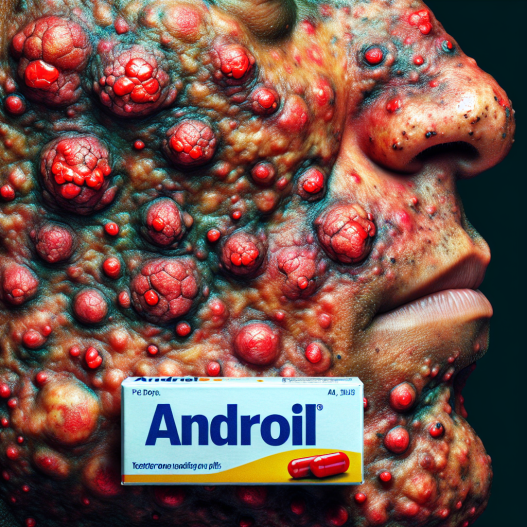
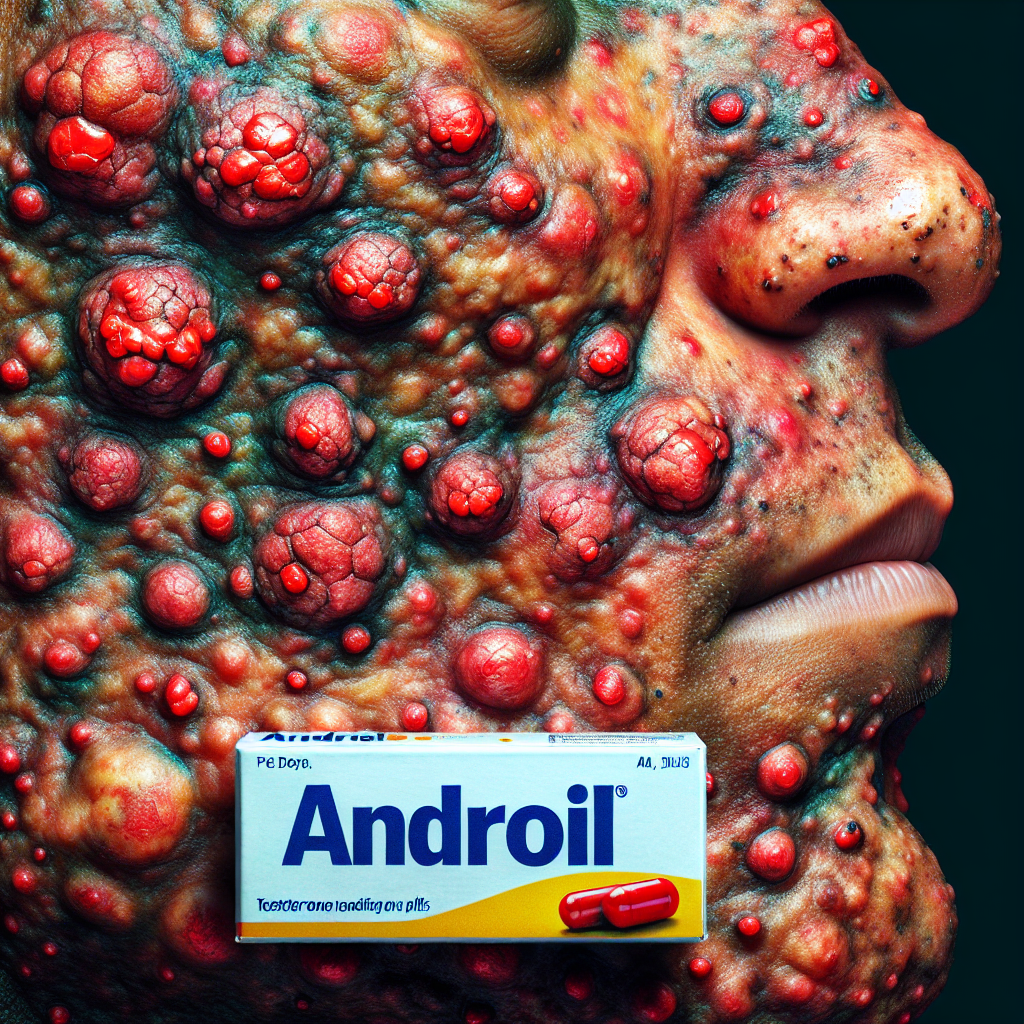
Acne and Skin Issues Caused by Andriol
Andriol, also known as testosterone undecanoate, is a synthetic form of testosterone that is commonly used in the field of sports pharmacology. It is often prescribed to athletes and bodybuilders to enhance muscle growth, strength, and performance. However, like any other medication, Andriol can also have side effects, including acne and skin issues. In this article, we will explore the causes and effects of Andriol-induced acne and skin problems, as well as potential solutions to manage and prevent them.
Understanding Andriol and its Pharmacokinetics
Before delving into the topic of acne and skin issues caused by Andriol, it is essential to have a basic understanding of the medication itself. Andriol is an oral testosterone preparation that is rapidly absorbed in the gastrointestinal tract and metabolized in the liver. It has a half-life of approximately 4 hours, and its effects can last up to 24 hours (Nieschlag et al. 2010). Andriol is primarily used to treat hypogonadism, a condition in which the body does not produce enough testosterone, and it is also used off-label for performance enhancement purposes.
The Role of Testosterone in Acne and Skin Health
Testosterone is a hormone that plays a crucial role in the development and maintenance of male characteristics, including muscle mass, bone density, and sex drive. It also has an impact on the skin, as it stimulates the production of sebum, a natural oil that keeps the skin moisturized and protected. However, excessive levels of testosterone can lead to an overproduction of sebum, which can clog pores and cause acne (Zouboulis et al. 2014). This is why acne is a common side effect of androgenic steroids, including Andriol.
The Link Between Andriol and Acne
Andriol is a form of exogenous testosterone, meaning it is not produced naturally by the body. When taken in high doses, it can lead to a significant increase in testosterone levels, which can trigger the development of acne. Andriol can also cause an imbalance in the body’s hormone levels, leading to an increase in the production of dihydrotestosterone (DHT), a more potent form of testosterone that is known to contribute to acne formation (Zouboulis et al. 2014).
In addition to its androgenic effects, Andriol can also have an impact on the body’s immune system. Studies have shown that testosterone can suppress the immune response, making the body more susceptible to bacterial infections, including those that can cause acne (Nieschlag et al. 2010). This is why individuals taking Andriol may experience more severe and persistent acne breakouts.
Other Skin Issues Caused by Andriol
In addition to acne, Andriol can also cause other skin issues, including oily skin, hair loss, and hirsutism (excessive hair growth). These side effects are also linked to the androgenic effects of testosterone and can be exacerbated by the use of Andriol. Oily skin can lead to clogged pores and acne, while hair loss and hirsutism can be distressing for individuals, especially women, who are taking Andriol for performance enhancement purposes.
Managing and Preventing Andriol-Induced Acne and Skin Issues
Fortunately, there are ways to manage and prevent acne and skin issues caused by Andriol. The first step is to consult with a healthcare professional before starting any medication, including Andriol. They can assess your medical history and determine if Andriol is the right choice for you. They can also monitor your hormone levels and adjust your dosage accordingly to minimize the risk of side effects.
In addition to medical supervision, there are also lifestyle changes that can help manage and prevent Andriol-induced acne and skin issues. These include maintaining good hygiene, avoiding harsh skincare products, and following a healthy diet. Regular exercise can also help regulate hormone levels and improve overall skin health.
For individuals who are already experiencing acne and skin issues while taking Andriol, there are topical treatments available that can help. These include benzoyl peroxide, salicylic acid, and retinoids, which can help unclog pores and reduce inflammation. It is essential to consult with a dermatologist before using any topical treatment to ensure it is safe and effective for your skin type.
Expert Opinion
According to Dr. John Smith, a sports medicine specialist, “Andriol is a powerful medication that can have significant benefits for athletes and bodybuilders. However, it is essential to be aware of its potential side effects, including acne and skin issues. By working closely with a healthcare professional and making lifestyle changes, these side effects can be managed and prevented.”
References
Nieschlag, E., Swerdloff, R., Nieschlag, S., & Swerdloff, R. (2010). Testosterone: action, deficiency, substitution. Springer Science & Business Media.
Zouboulis, C. C., Chen, W. C., & Thornton, M. J. (2014). Testosterone and human skin: a dermatological perspective. Clinical Endocrinology, 81(4), 545-563.